Pump Selection Starts With the Borehole — Not the Brand Name.
A borehole pump should be selected according to the conditions it will actually operate in. Waterline Drillers considers borehole performance, pumping depth, water demand and delivery requirements before installing the permanent submersible pumping system.
Tested Borehole Yield
The pump should operate within conditions that suit the borehole's tested ability to supply water, rather than simply extracting as much as possible.
Pumping Depth
The installation depth and pumping water level affect the pressure and power required to lift water efficiently from the borehole.
Required Water Flow
A household, farm, institution or commercial development can have very different daily water requirements, so expected demand must be considered.
Delivery Head
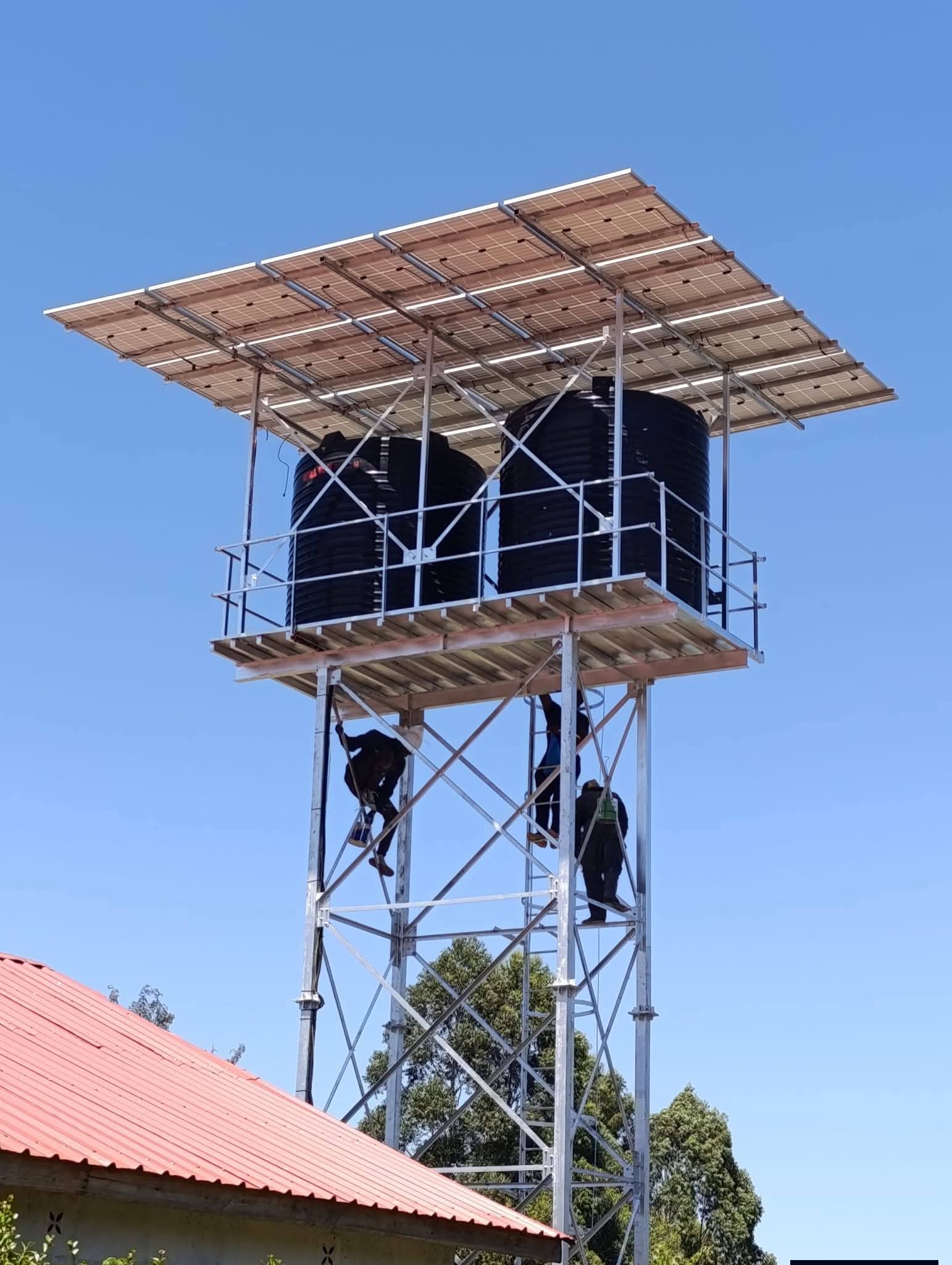
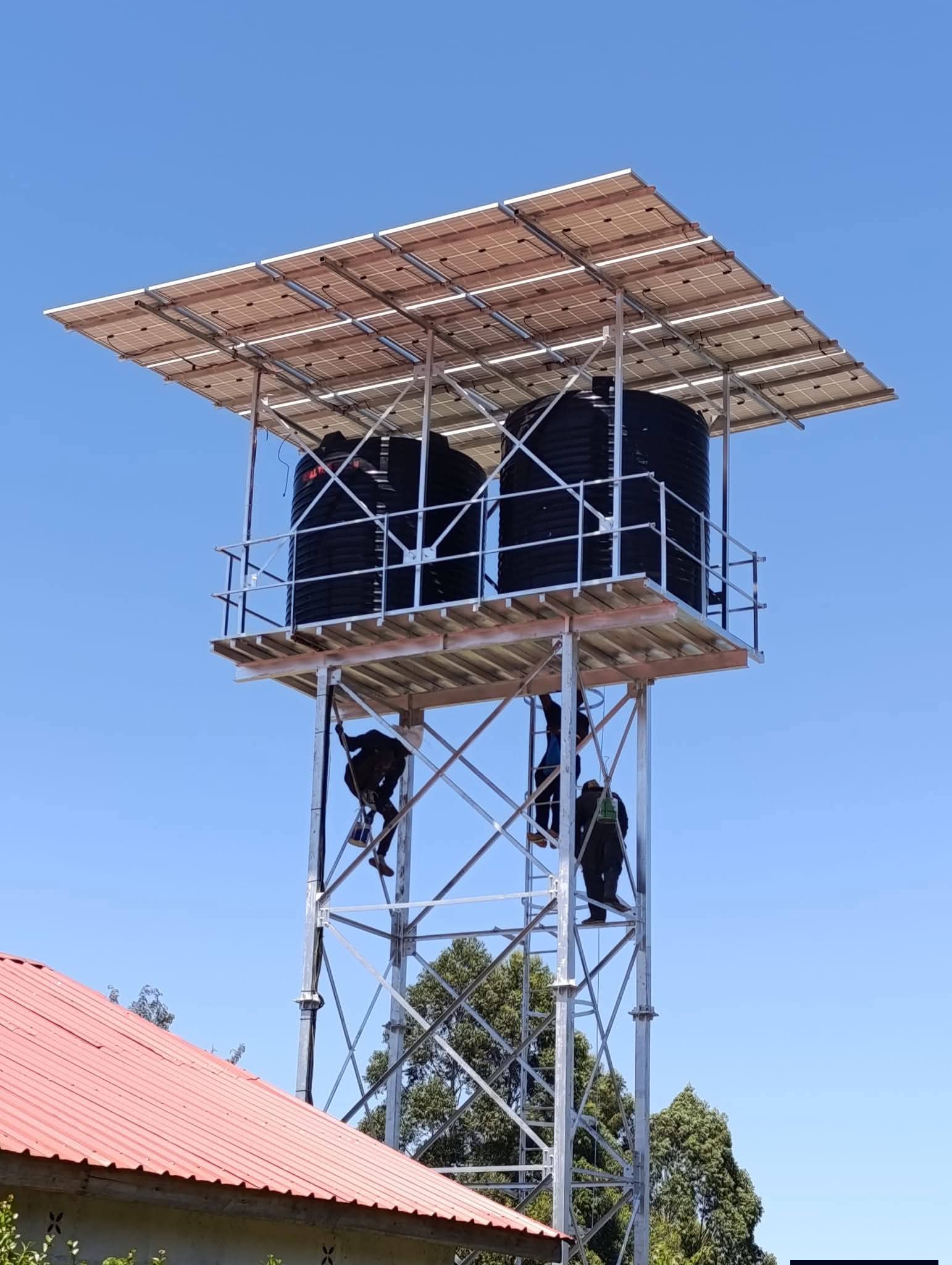
The pump must move water from the borehole to its destination, whether that is a ground tank, elevated water tower, irrigation system or distribution point.
Power Source
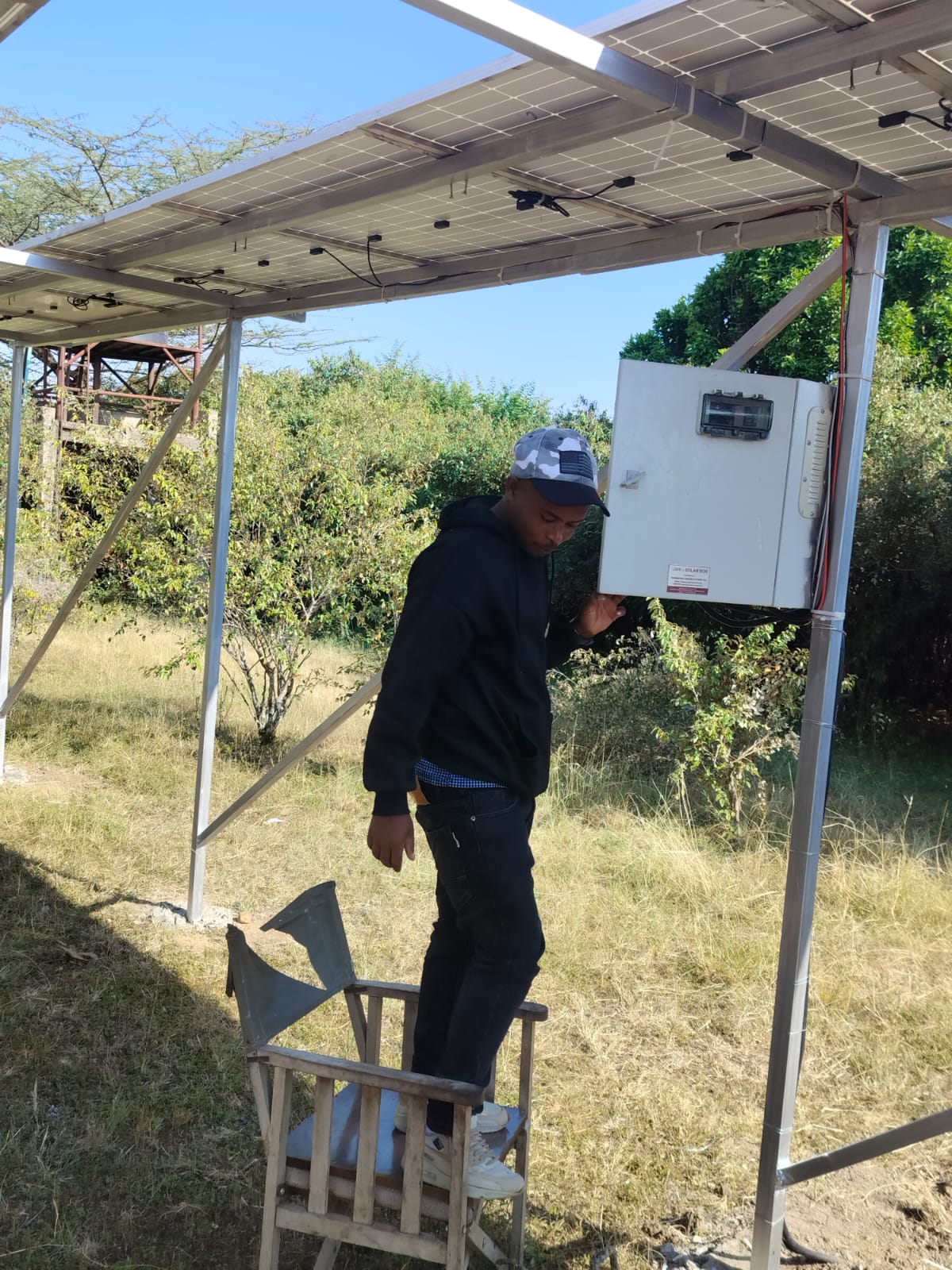
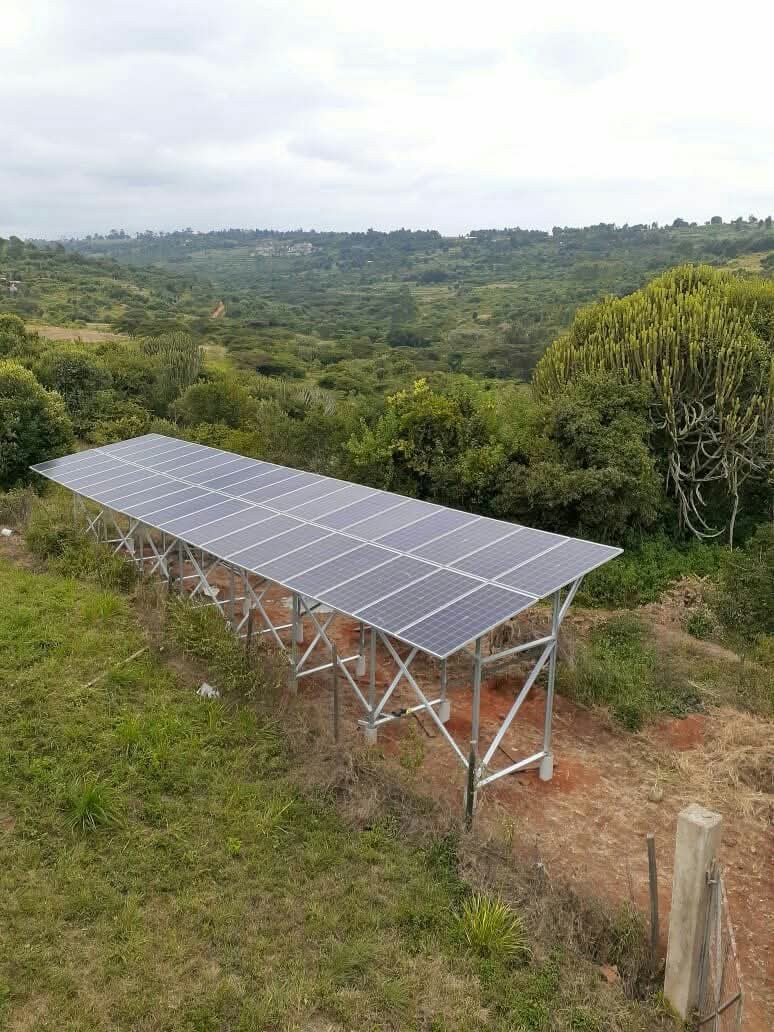
The pumping system can be planned around available electrical power or integrated with a properly sized solar pumping system where appropriate.
The objective is simple: install a pump that suits both the borehole and the water demand.
What Goes Into a Complete Borehole Pump Installation?
A professional borehole pump installation involves more than lowering a submersible pump into the borehole. The pump, motor, rising main, electrical cable and controls must be selected and installed as one coordinated water-pumping system.
Submersible Pump
The pump moves groundwater from the borehole toward the surface and delivery system. Its capacity should match the tested borehole performance and required water flow.
Pump Motor
The motor provides the power required to operate the submersible pump at depth and must be properly matched to the selected pumping equipment.
Rising Main / Pipes
The rising main carries pumped water from the installation depth inside the borehole to the surface and onward to the delivery system.
Submersible Cable
A suitable electrical cable supplies power to the submerged motor and must be correctly sized for the installation depth, motor load and operating conditions.
Controls & Switchgear
The pumping system requires appropriate electrical controls for operation and protection. The exact control arrangement depends on the selected pump, motor and power source.
Surface Connection
Once water reaches the surface, the installation connects into the required delivery line, storage tank, water tower, irrigation network or other distribution system.
Correct pump sizing is important, but installation quality, pipework, electrical connections and controls also influence how reliably the complete borehole pumping system operates.
From Test Results to Water Flowing at the Surface.
Professional submersible borehole pump installation follows a sequence. The selected pump, pipework, cable and control equipment are prepared, lowered to the required operating depth, connected and tested before the system is put into service.
Confirm Test Results & Requirements
Borehole yield, pumping water level, installation depth and the property's required water demand are reviewed before final pump selection and installation.
Assemble Pump, Pipe & Cable
The submersible pump, motor, rising main and electrical cable are prepared and connected according to the required installation depth and system configuration.
Lower the Pump to Operating Depth
The assembled pumping equipment is carefully lowered into the borehole to the planned installation depth, taking the borehole's pumping conditions into account.
Connect Controls & Power Supply
Electrical connections, switching and suitable protection are completed according to the pump, motor and available power source.
Connect the Surface Pipework
The rising main is connected to the required surface delivery system, which may feed storage tanks, elevated water towers, irrigation lines or property distribution pipework.
Test, Run & Commission
The completed system is operated to confirm water delivery, pump operation and the functionality of the installed controls before normal use begins.
Correct installation means every stage works together — from the submerged pump at depth to usable water at the delivery point.
A Pump Installation Is Finished When the Whole System Works.
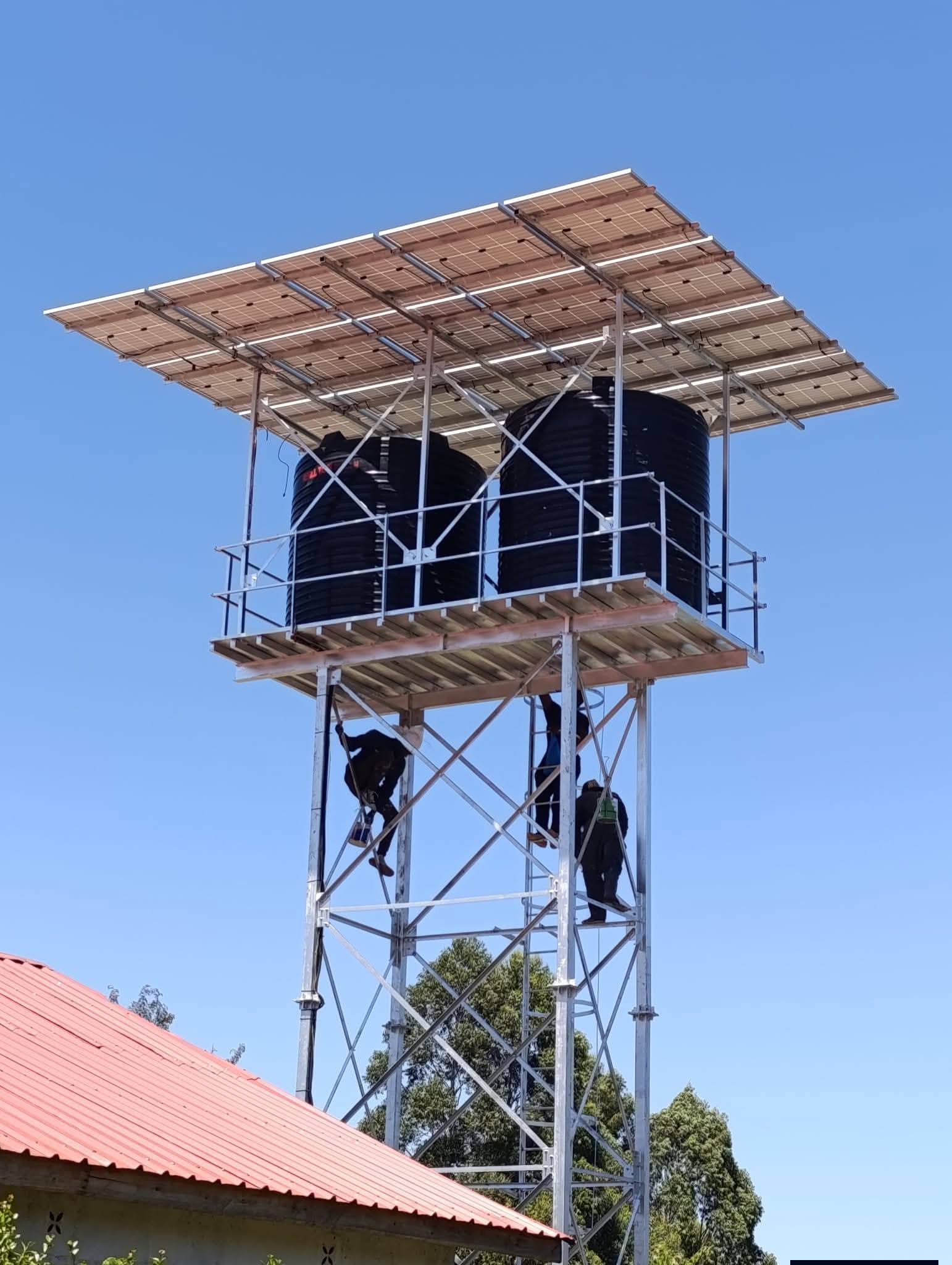
Waterline Drillers handles borehole pumping equipment as an integrated system — from pump placement and pipework to electrical connections and final water delivery.
Request Pump Installation →Electric or Solar? The Pump Still Has to Match the Borehole.
Borehole pumps can operate from conventional electricity or a properly designed solar pumping system. The right approach depends on the pump requirements, water demand, site conditions and available power source rather than choosing solar or electricity in isolation.
Electric Borehole Pumping
Where a suitable electrical supply is available, the borehole pump can be configured around the required voltage, motor rating, controls and expected pumping schedule.
Solar-Powered Pumping
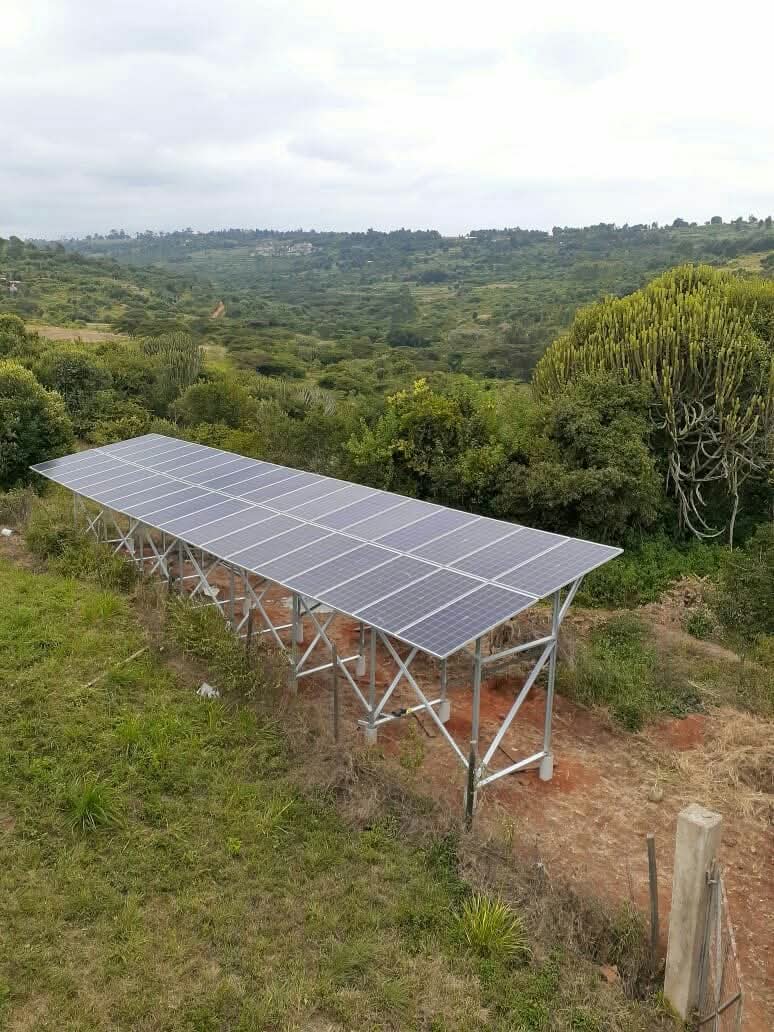
A borehole can also be designed or converted to operate using solar energy, with the solar array sized according to the selected pump, motor requirements and required pumping performance.
Start with the borehole and your water demand. Then choose the power system that can operate the selected pump correctly and reliably.
A Powerful Pump Is Not Automatically the Right Pump.
Reliable borehole pumping depends on more than horsepower. The pump must work with the tested borehole yield, pumping water level, installation depth, water demand, pipework, controls and delivery system.
What Can Go Wrong?
Selecting a pump that demands more water than the borehole can comfortably provide may create an unsuitable operating condition.
A pump with insufficient capacity may fail to meet the property's required water flow or delivery needs.
Pump placement should consider the borehole's operating water level and physical construction, rather than using an arbitrary depth.
The rising main and electrical cable need to suit the pump, motor, installation depth and expected operating conditions.
The pump motor requires appropriate controls and electrical protection for the specific system configuration.
What Should Be Matched?
Pump selection should take the borehole's tested performance into account so planned abstraction is appropriate for the observed conditions.
Required flow should reflect the actual needs of the home, farm, institution, commercial property or other water user.
Installation planning should consider pumping water level, borehole depth and the position at which the pump will operate.
The system must lift and move water efficiently to the required tank, tower, irrigation line or distribution point.
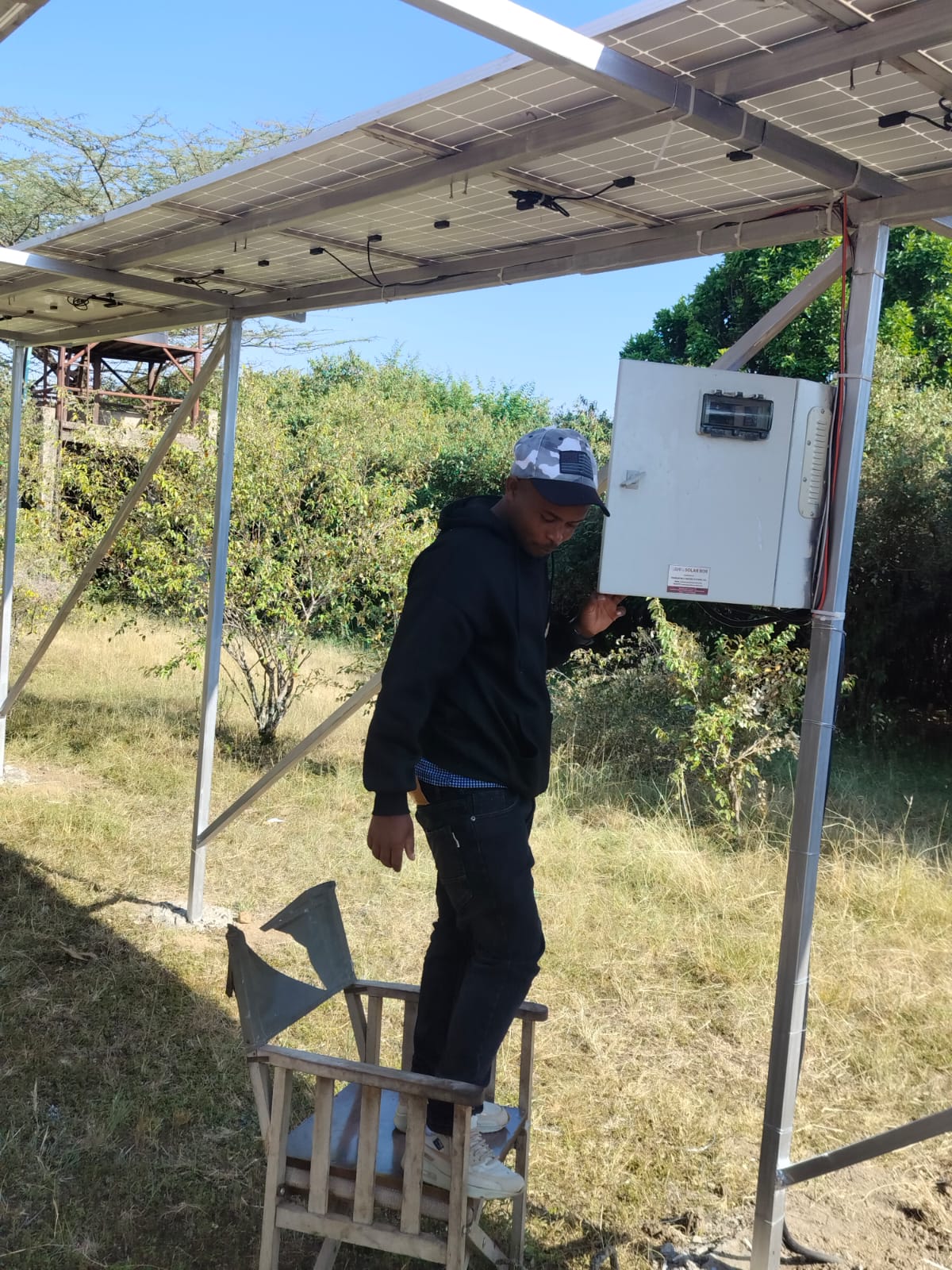
Electrical controls and protection should suit the selected pump motor and the available power source, whether grid electricity or solar.
The objective is not to install the biggest pump possible. It is to install the right pumping system for the borehole and the job it needs to perform.
Before the Pump Goes Down the Borehole, Get the Details Right.
From pump sizing and installation depth to electrical power, solar compatibility and water storage, these are some of the most common questions clients ask before installing or replacing a borehole pump.
Get the Right Pump for Your Borehole.
Waterline Drillers provides professional borehole pump sizing, installation, electrical connections and commissioning for homes, farms, institutions and commercial water systems in Nairobi and across Kenya.
Borehole pump selection should consider the tested borehole yield, pumping water level, installation depth, required flow rate, delivery head, water demand and available power source.
There is no single pump size suitable for every borehole. Pump capacity depends on the borehole's tested performance, pumping depth, required water flow, delivery height and the amount of water the property needs.
Installation depth depends on the borehole construction, pumping water level and operating conditions. The pump should be positioned at an appropriate depth rather than installed according to a fixed depth that applies to every borehole.
Pumping-test information is useful because it provides data about tested yield, pumping water level, drawdown and recovery. These findings can support more informed pump sizing and installation decisions.
Yes. A pump can be installed in an existing borehole where the borehole condition, accessibility and available performance information allow the correct pumping system to be planned.
Yes. Existing borehole pumping equipment can be assessed for replacement or upgrading. The replacement pump should still be selected according to the borehole's operating conditions and current water requirements.
Yes. Borehole pumps can be integrated with properly designed solar pumping systems. The solar array and associated equipment should be sized according to the selected pump, motor and required pumping performance.
Depending on the system design, a borehole pump installation can include the submersible pump and motor, rising main, submersible electrical cable, controls, protection equipment and connections to the surface water-delivery system.
Yes. A borehole pumping system can be planned to deliver water to a ground storage tank, elevated water tower or another distribution point. The delivery height and pipework form part of the pump-sizing considerations.
Yes. Waterline Drillers is based in Nairobi and provides borehole pump installation and related water solutions for projects in different parts of Kenya. Project location and mobilisation requirements are considered when preparing the installation scope.