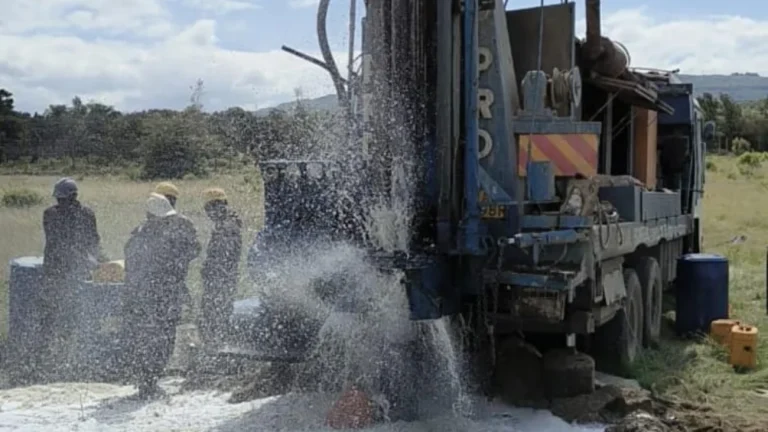
Borehole Drilling in Nairobi: What Property Owners Should Know
A Nairobi borehole project must balance groundwater conditions with access, approvals, drilling logistics, pump design, solar options and storage.
A Nairobi borehole project must balance groundwater conditions with access, approvals, drilling logistics, pump design, solar options and storage.
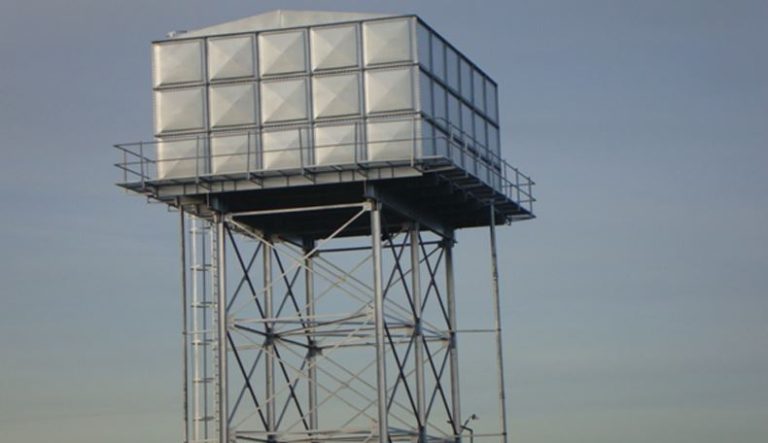
Choose between an elevated steel water tower and ground storage by comparing pressure, structure, pumping, maintenance, capacity and site layout.
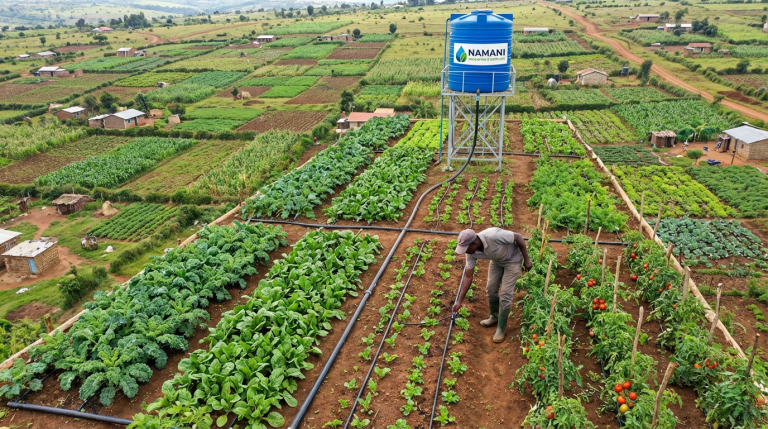
Farm boreholes should be planned around crop or livestock water demand, tested yield, pumping head, solar availability and practical storage.
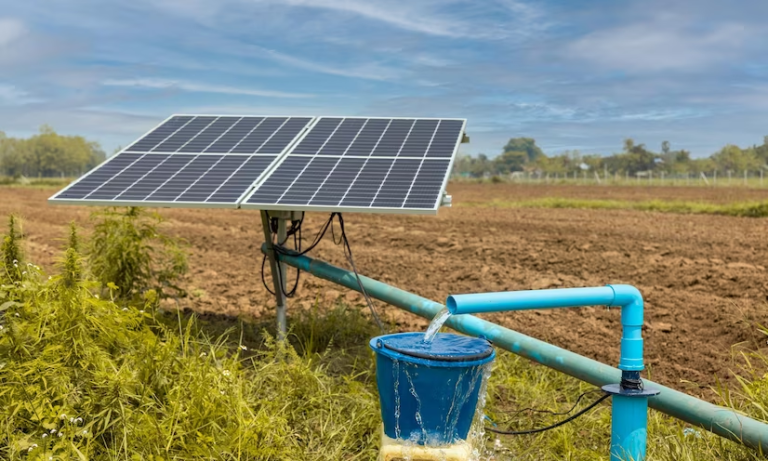
Solar borehole pumping can reduce grid dependence, but successful systems depend on correct pump duty, solar sizing, controls and water storage.
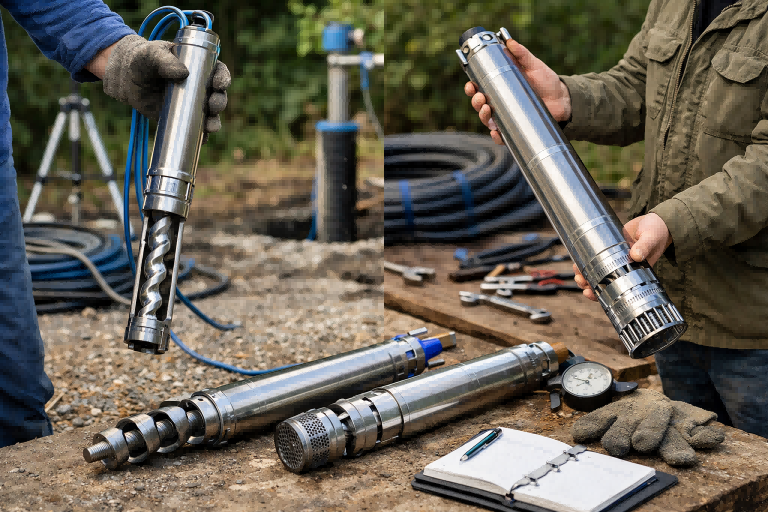
A borehole pump should be selected from test results, total pumping head and actual water demand—not simply horsepower or purchase price.
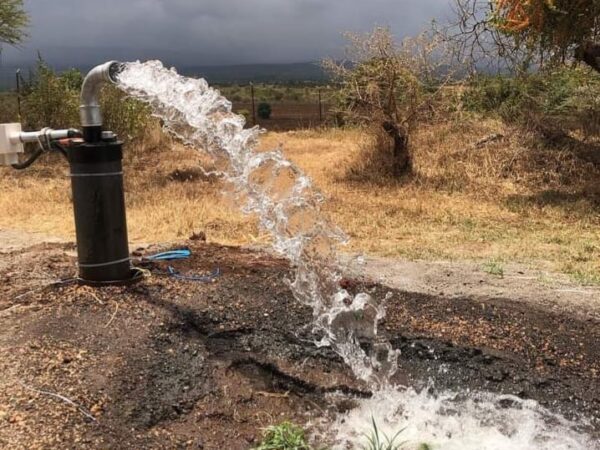
Borehole test pumping shows how a new borehole performs under abstraction and provides the information needed for proper pump sizing and sustainable use.
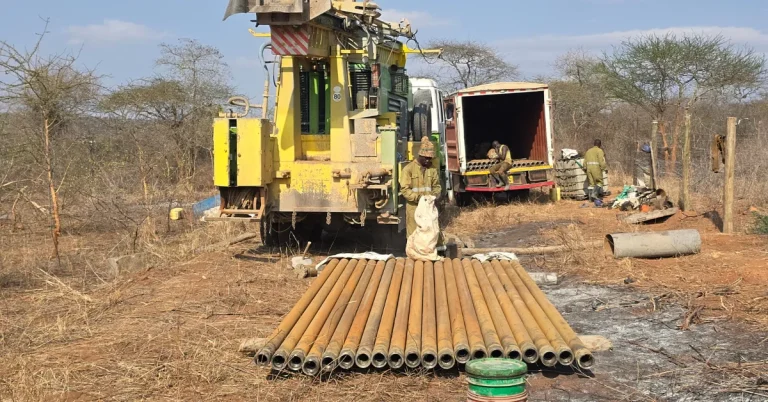
Compare more than price when selecting a borehole drilling company in Nairobi. Check the survey, drilling scope, testing, pump sizing and compliance.
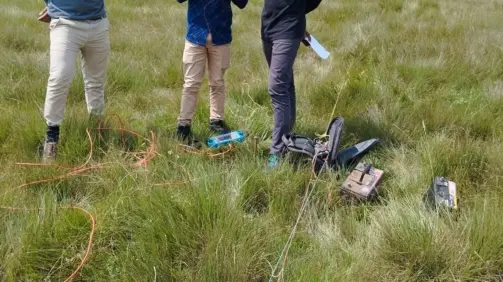
A hydrogeological survey gives a borehole project an informed starting point by assessing groundwater potential, geology, likely depth and drilling locations.
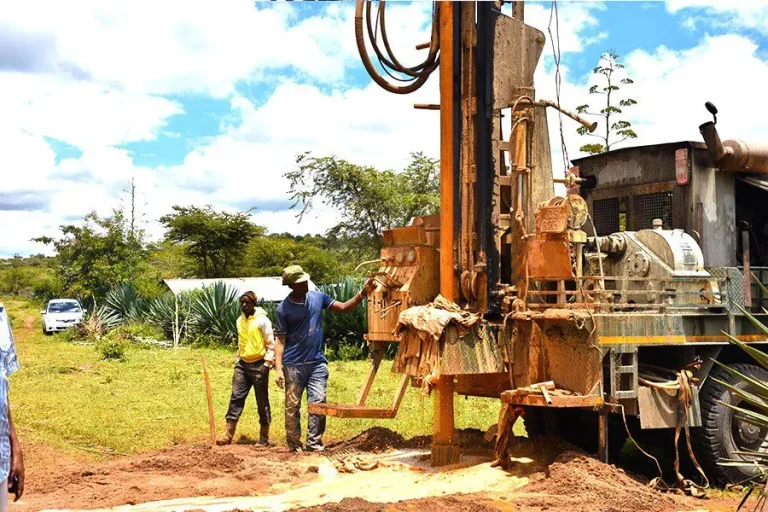
Understand the major stages of the borehole drilling process in Kenya from groundwater assessment to a complete working water system.
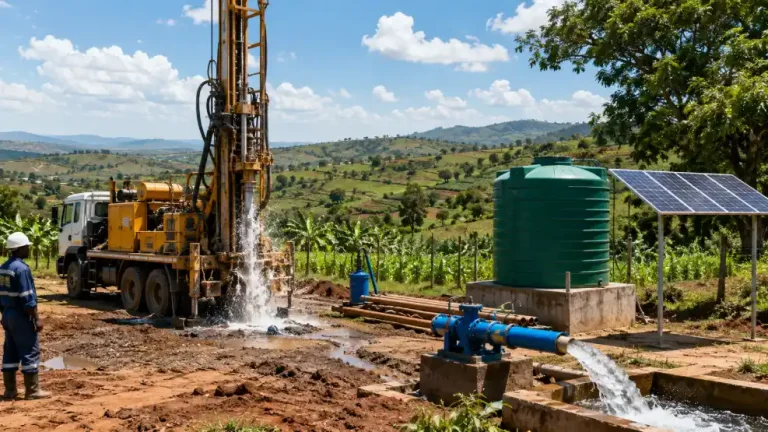
A practical guide to the factors that determine borehole drilling cost in Kenya from the first survey to the completed water system.