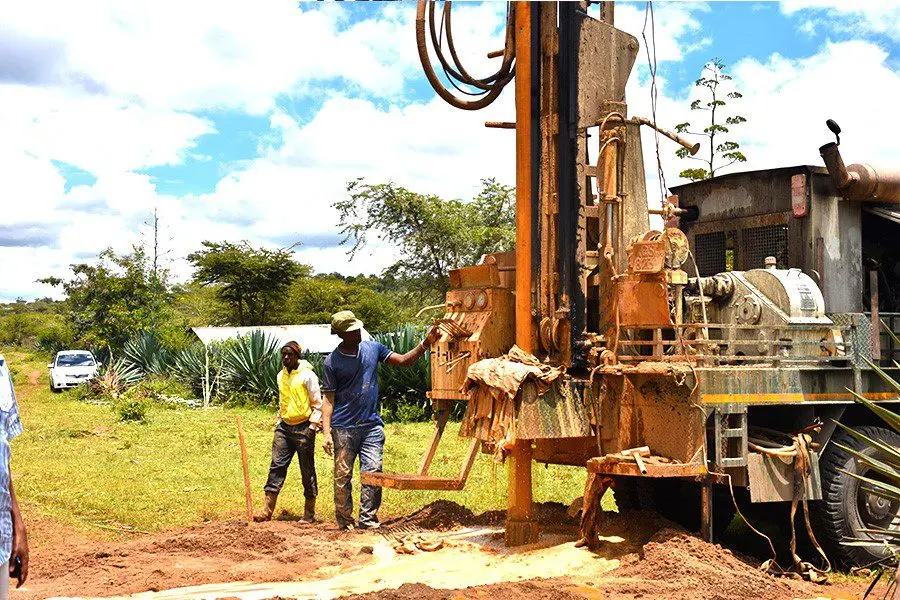
A reliable borehole is the result of connected stages. Drilling is only one part of groundwater development. A good project begins with understanding the site, continues through construction and testing, and finishes with a correctly selected pump, power system and water storage.
1. Define the water requirement
Clarify how the water will be used before survey work begins. A home, school, apartment, farm and commercial property can have very different daily demand. The expected demand influences pump selection, storage and the preferred operating schedule.
2. Carry out a hydrogeological survey
A hydrogeological survey assesses groundwater potential and recommends a drilling point. It may also provide an estimated depth and information about likely geological formations.
A responsible survey reduces uncertainty but does not guarantee a particular yield; drilling confirms the actual underground conditions.
3. Complete the required approvals
WRA’s groundwater permitting process includes hydrogeological assessment information, technical evaluation and authorization to construct works. See the official WRA process.
NEMA also addresses groundwater drilling under environmental assessment requirements. Confirm current requirements through NEMA.
4. Mobilize and prepare the site
The drilling rig, compressor, tools, casing and crew need safe access. Gates, overhead lines, soft ground, steep slopes and nearby structures should be checked before mobilization.
5. Drill the borehole
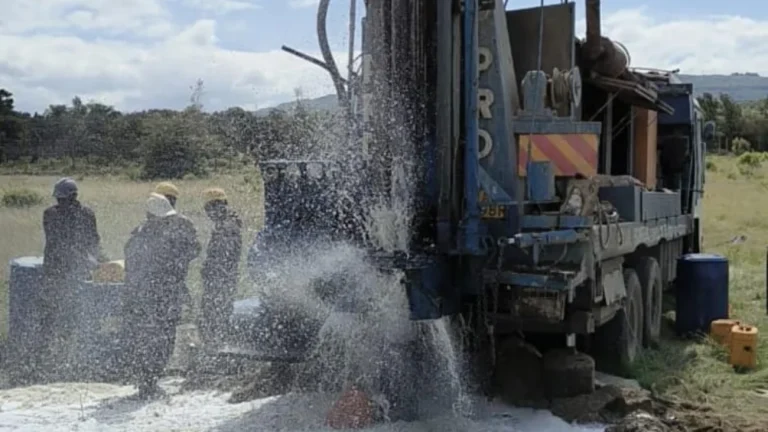
During borehole drilling, the rig advances through the ground toward water-bearing zones. Actual geology encountered should guide the final construction and depth.
6. Install casing and complete the borehole
Plain casing supports sections where water entry is not required, while slotted or screened casing allows groundwater to enter through appropriate zones. Gravel packing and sealing may also form part of the design.
7. Develop and clean the borehole
Development removes drilling debris and fine material and improves the hydraulic connection between the borehole and surrounding formation before formal pumping tests begin.
8. Conduct test pumping
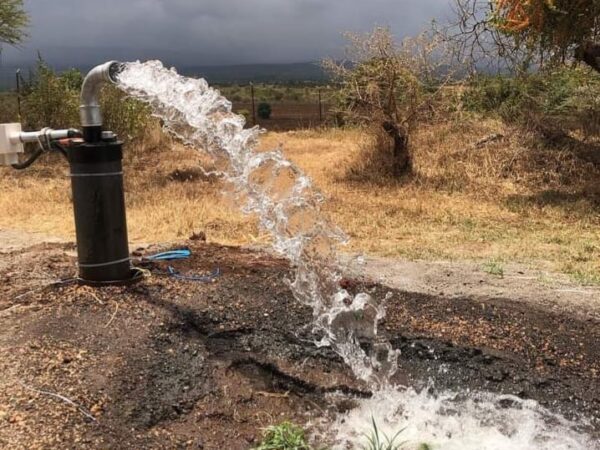
Test pumping measures yield, drawdown and recovery. The results help define a practical pumping rate and provide the information needed for pump selection.
9. Select and install the pump
After testing, pump installation can include the submersible pump, motor, rising main, cable, water-level controls and associated pipework. The pump should match the borehole and the required flow.
10. Add solar power where suitable
Solarization should be designed after the pump duty and electrical requirements are known. The solar array is then matched to the pump instead of guessed from borehole depth alone.
11. Complete storage and distribution
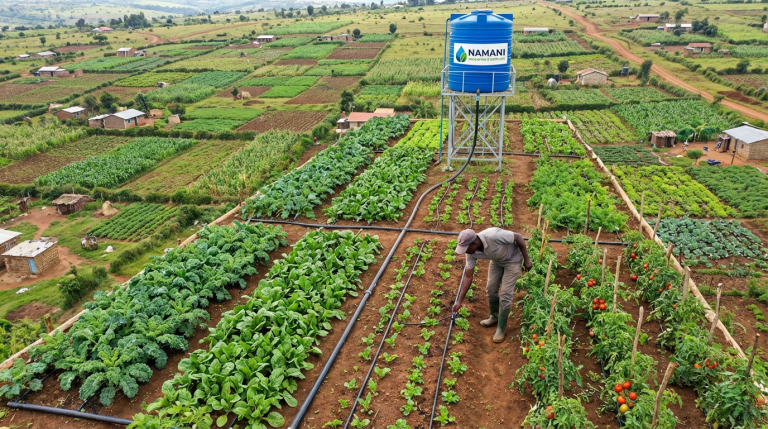
The final system may include a water tower or steel tank. Storage allows the borehole pump to operate steadily while users draw water according to demand.
12. Keep records and operate sustainably
Retain the hydrogeological report, drilling records, test-pumping information, water-quality results, pump details and permit documents. Operate within tested performance and applicable abstraction conditions.
Why the order of the process matters
Each stage of borehole development answers a different question. The survey asks where groundwater is likely to be found. Drilling confirms what is actually below the surface. Test pumping asks how the borehole performs under abstraction. Pump sizing asks how to move that water efficiently. Solarization asks how to power the pump, while storage determines how produced water will be available when users need it.
When the order is changed, decisions become guesses. For example, buying a pump before test pumping means selecting equipment without confirmed yield and pumping water level. Buying solar panels before selecting the pump means sizing the power source before the electrical demand is known.
What property owners should record during drilling
Keep a simple project file from the beginning. It should contain the hydrogeological report, authorization documents, drilling depth, casing details, borehole completion information, pumping-test results, water-quality results, pump model, motor rating, cable specification and any solar or control equipment documentation.
These records become useful when the pump needs replacement, when the property changes ownership, when the water-use permit needs attention or when a future technician is troubleshooting the system.
Common mistakes during borehole development
- Drilling before completing the required survey and approvals.
- Choosing a drilling point without checking whether the rig can safely reach it.
- Focusing on depth while ignoring casing and borehole construction quality.
- Skipping borehole development or shortening test pumping.
- Selecting a pump from horsepower alone.
- Ignoring total pumping head to the final storage tank.
- Adding solar panels without matching them to the pump and controller.
- Choosing a storage tank without estimating daily water demand.
How long does the complete process take?
There is no universal duration because approvals, survey scheduling, drilling depth, geology, equipment availability and test requirements differ by site. The drilling itself may take far less time than the complete project. Property owners should therefore ask for a schedule covering the entire sequence rather than only the days when the rig will be on site.
A realistic plan also allows time for test results, pump selection, fabrication of any tower or tank and final electrical or solar work. Coordinating these steps early can reduce idle time between drilling and commissioning.
Frequently Asked Questions
What comes first in borehole drilling?
Define the water requirement and arrange a hydrogeological survey.
Can the pump be installed immediately after drilling?
The borehole should first be developed and test pumped so final pump sizing uses actual performance data.
Can solar be planned from the beginning?
Yes, but final solar sizing should follow selection of the correct pump duty.
Start your borehole project in the right order
Waterline Drillers provides complete borehole and water solutions from survey and drilling to pumping, solarization and storage. Contact our team to discuss your site.