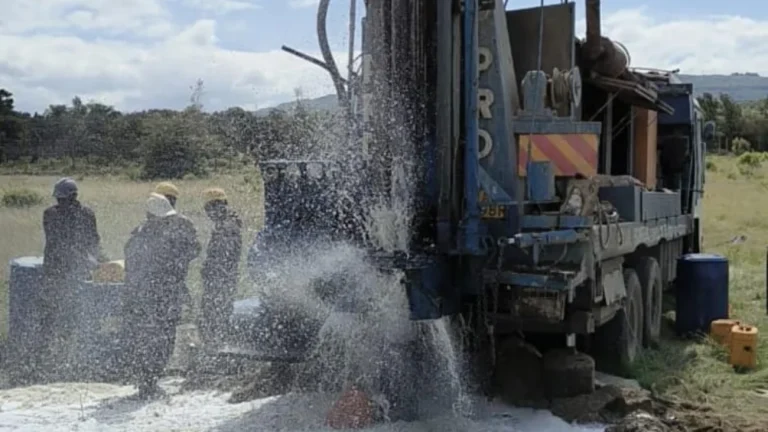
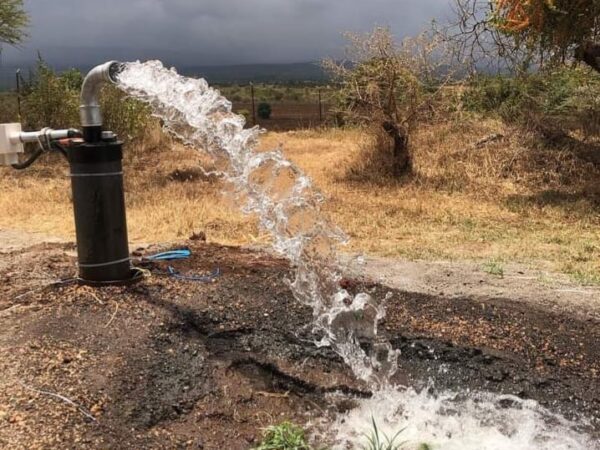
After drilling reaches groundwater, the important question is not simply whether water is present. The real question is how the borehole performs when water is pumped over time. Test pumping is the controlled process used to measure that performance.
What is borehole test pumping?
Borehole test pumping involves pumping at a controlled rate while monitoring discharge and water levels. Observations show how the water level responds during pumping and how it recovers after pumping stops.
Yield, drawdown and recovery
Yield is the amount of water produced at a given pumping rate. Drawdown is the reduction in water level caused by pumping. Recovery is the rise in water level after pumping stops. These three results provide a practical picture of borehole behaviour.
Why test pumping matters for pump sizing
The submersible pump should be selected from actual borehole performance. An oversized pump can lower the water level excessively, while an undersized pump may fail to meet demand.
Test results help define a practical flow and operating head for pump selection.
Test pumping protects the drilling investment
Drilling is a major investment. Test pumping is a smaller stage that can prevent expensive equipment mistakes. Without performance data, an owner may buy a pump that does not match the borehole.
How test pumping supports solar design
A solar borehole system starts with the pump. Once required flow and pumping head are known, pump power can be established and the solar array can be sized properly.
Storage and pumping rate
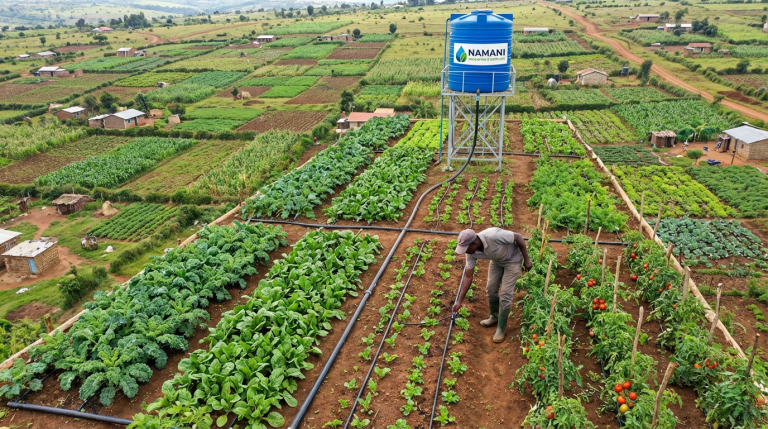
A water tower or storage tank can allow a moderate-yield borehole to pump steadily for several hours instead of trying to supply every short-term demand peak directly.
Typical test sequence
- Measure static water level.
- Install the test pump and discharge arrangement.
- Begin pumping at the specified rate.
- Record flow and water-level changes.
- Continue for the required duration.
- Stop pumping and monitor recovery.
- Use the results for pump and abstraction planning.
WRA recognizes pumping tests as a core groundwater practice
WRA states that Kenya has codes of practice for borehole siting, construction, supervision and borehole pumping tests. Review current WRA guidance when planning groundwater works.
Testing should come before final equipment decisions
The logical flow is survey → drilling → development → test pumping → pump installation → optional solarization → storage.
Each stage gives information needed by the next.
What the water-level readings tell the technician
During pumping, water-level measurements taken at intervals show whether the level is stabilizing or continuing to fall. A stable response at a given flow can indicate that the borehole and surrounding aquifer are able to support that test rate under the observed conditions. A continuing decline may suggest that the rate needs closer evaluation.
After the pump is stopped, recovery readings show how quickly water levels rise. The pattern is useful because two boreholes with similar initial yields can recover very differently.
Why a single bucket test is not enough
Seeing strong water flow for a few minutes does not tell you how the borehole will perform after hours of pumping. A short discharge can come from water stored in the borehole itself or from temporary aquifer response. A controlled pumping test observes performance over a meaningful period and records both discharge and water levels.
This is particularly important for high-demand users who intend to pump daily. The design should be based on sustainable performance rather than the most impressive flow seen immediately after drilling.
How test results influence storage design
Suppose a property needs a high volume of water during morning and evening peaks but the borehole is best operated at a lower steady rate. A tank solves the mismatch. The pump can run for longer periods at the recommended rate, filling storage before peak demand occurs.
This approach can reduce the temptation to oversize the pump and can also work very well with solar systems, where daytime pumping fills storage for later use.
What information to keep after the test
- Static water level before pumping.
- Pumping rate used during the test.
- Water-level readings during pumping.
- Maximum observed drawdown.
- Recovery readings after pumping stops.
- Recommended abstraction or pump duty information.
- Water-quality results where testing is carried out.
Keep this information with the borehole records. If the pump is replaced later, the original test data gives the new installer a much better starting point than selecting equipment from borehole depth alone.
Frequently Asked Questions
How long does test pumping take?
Duration depends on the required test programme and project requirements.
Can a pump be selected without testing?
An estimate is possible, but final sizing is much stronger when it uses measured yield and water-level data.
What is drawdown?
Drawdown is the reduction in borehole water level caused by pumping compared with the pre-pumping level.
Test the borehole before selecting the pump
Waterline Drillers provides complete borehole and water solutions from survey and drilling to pumping, solarization and storage. Contact our team to discuss your site.