What Does a Borehole Pumping Test Measure?
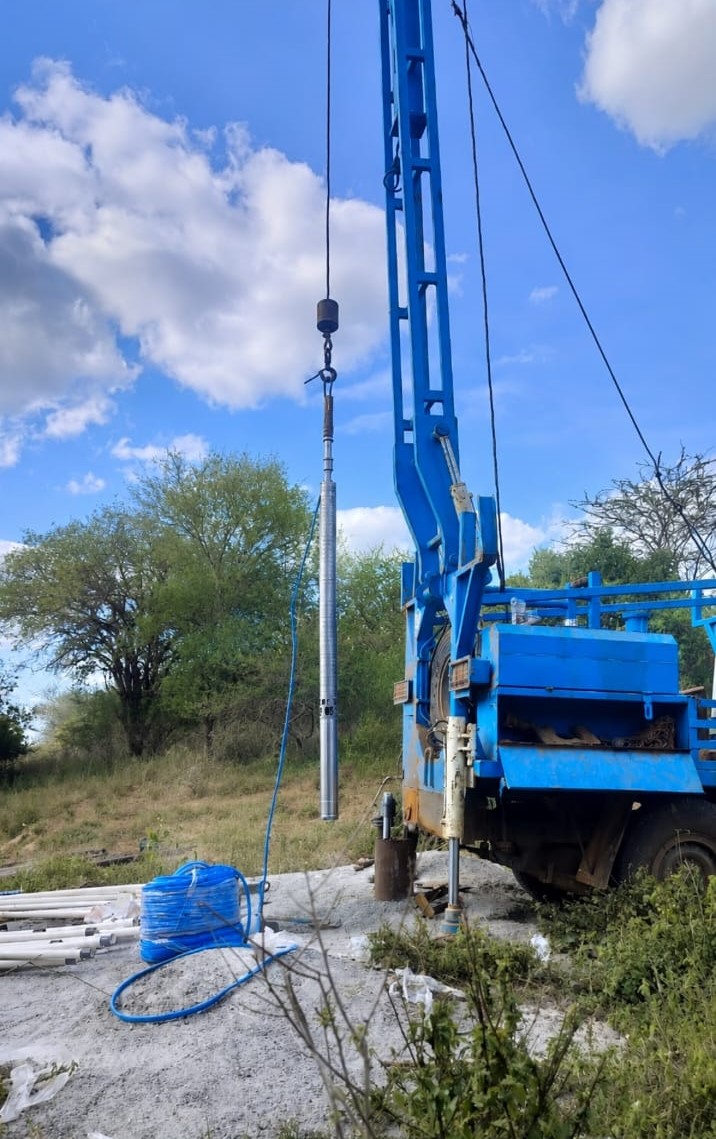
A completed borehole may contain groundwater, but the amount of water it can reliably provide must still be assessed. Borehole test pumping helps establish how the water level responds when the borehole is pumped over a controlled period.
The results provide important information for understanding borehole performance and are especially useful before selecting and installing the permanent submersible pump.
Borehole Yield
Yield indicates the rate at which water can be pumped from the borehole under the test conditions. This information helps establish the available water supply for the intended use.
Drawdown
Drawdown is the change in water level while pumping is taking place. Monitoring it helps show how the borehole responds as water is continuously withdrawn.
Recovery Rate
After pumping stops, the water level begins recovering. Monitoring this recovery provides additional information about how the groundwater system responds after pumping.
Pumping Water Level
The water level recorded during pumping is important when determining the operating depth and sizing requirements of the permanent borehole pump.
Understand the amount of water the borehole can provide under the tested pumping conditions.
Observe how pumping affects the water level and how the borehole behaves during continued abstraction.
Use the test results together with the required water demand when selecting the permanent borehole pump.
How a Borehole Pumping Test Is Carried Out.
Test pumping involves operating a temporary pumping system over a controlled period while monitoring water levels and discharge. For many borehole assessments, this can involve an extended test lasting around 24 hours, followed by recovery monitoring.
Test Equipment Setup
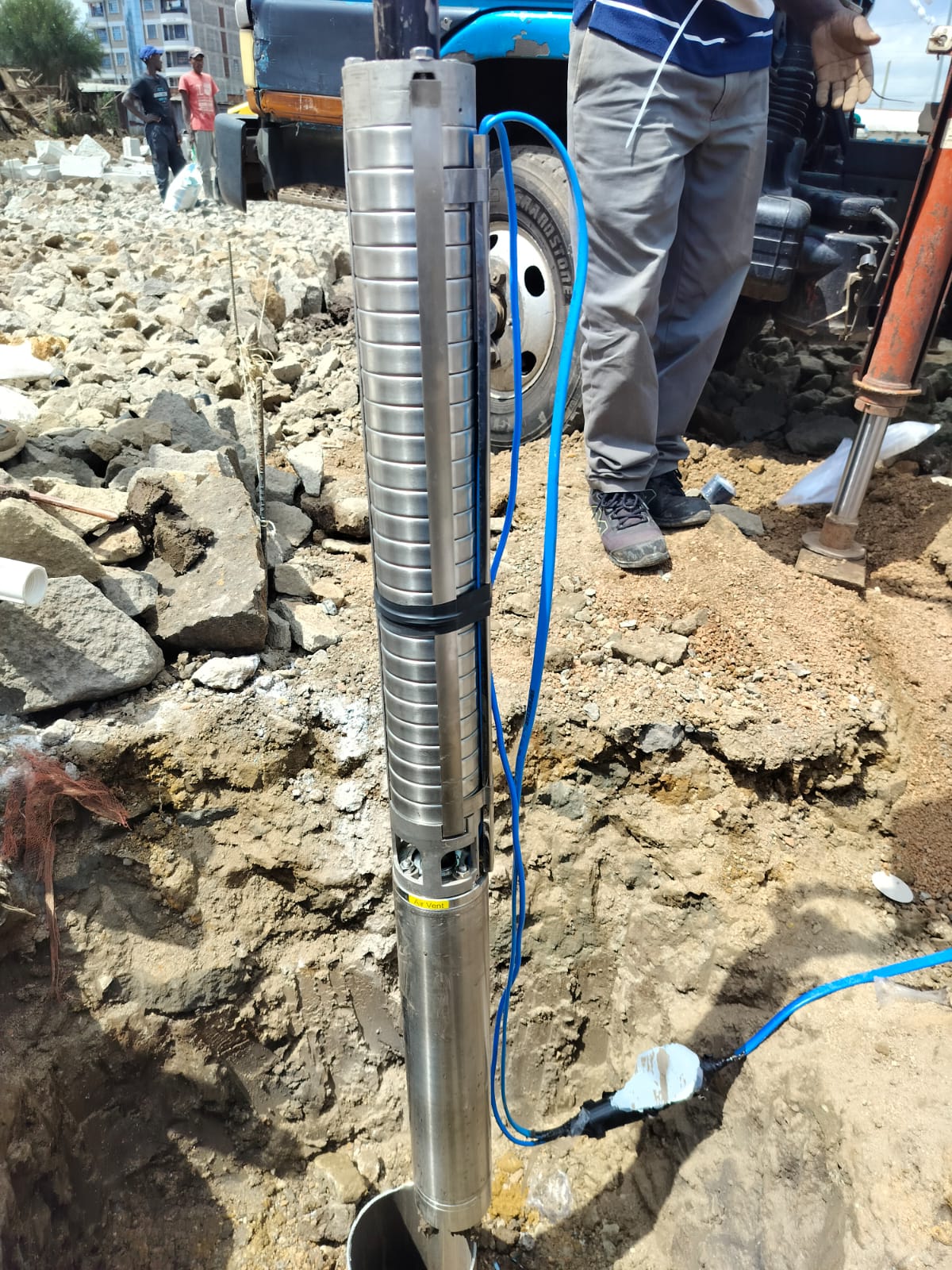
Temporary pumping and monitoring equipment is installed so the borehole can be pumped at a controlled rate while water-level changes and discharge are observed.
Record the Static Water Level
Before sustained pumping begins, the existing water level provides an important reference point for measuring changes during the pumping period.
Pump the Borehole
Water is pumped from the borehole at a monitored discharge rate for the required test period so its response under sustained pumping conditions can be assessed.
Monitor Yield & Drawdown
Water discharge and pumping water levels are monitored during the test. This helps show how the borehole behaves while water is continuously being withdrawn.
Monitor Water-Level Recovery
After pumping stops, the returning water level is monitored to understand how the borehole and surrounding groundwater system recover after sustained abstraction.
Plan the Permanent Pump
The pumping-test results provide useful information for determining an appropriate operating rate and selecting a submersible pump that suits the borehole and the property's water requirements.
Test pumping helps answer an important question: how should this borehole actually be operated?
What Happens to the Water Level While You Pump?
A borehole's performance is not judged only by how much water comes out. Drawdown and recovery testing also helps show how the water level behaves during pumping and how it responds after pumping stops.
Drawdown During Pumping
As water is pumped from a borehole, the water level normally falls from its original static level. This change is known as drawdown. Monitoring drawdown helps show how the borehole responds to continued pumping at the test discharge rate.
Recovery After Pumping
Once the pump is stopped, the groundwater level begins moving back toward its pre-pumping level. Recording this recovery provides useful information about the response of the borehole and surrounding groundwater system.
Why Both Measurements Matter
Looking at yield together with drawdown and recovery gives a more useful picture of borehole performance than simply measuring water coming from the discharge pipe.
Better Information for Pump Selection.
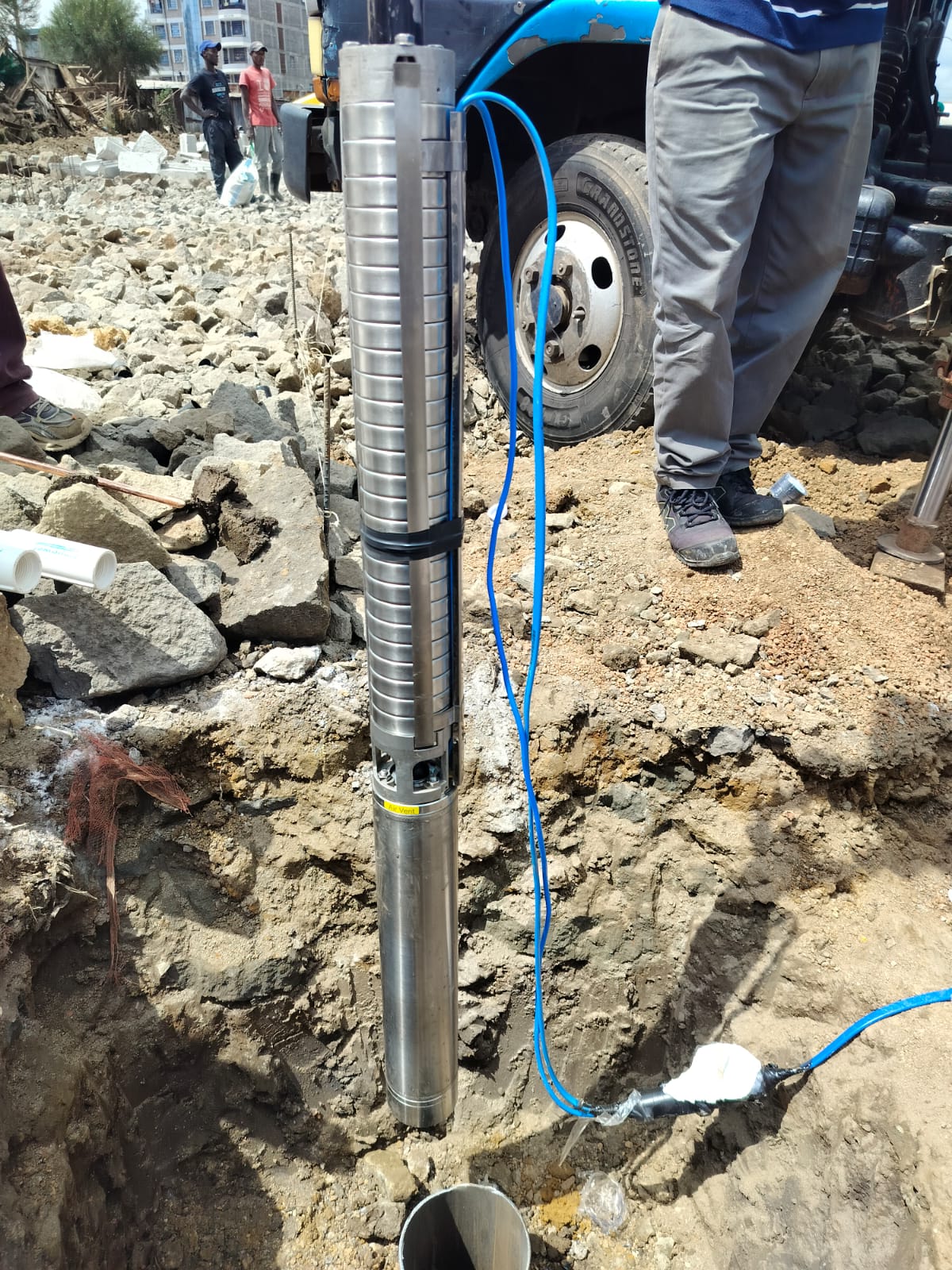
Test results can help determine an appropriate pumping rate and operating water level when selecting the permanent submersible pump. The aim is to match the pumping system to the borehole's tested performance and the property's water requirements.
The groundwater level recorded before sustained pumping begins.
The water level observed while the borehole is operating during the pumping test.
The movement of the groundwater level after pumping is stopped.
The Pump Should Match the Borehole — Not the Other Way Around.
Test pumping gives Waterline Drillers important information about how the borehole behaves under pumping conditions. Those results can then support more informed borehole pump sizing and installation instead of choosing equipment based only on pump horsepower or borehole depth.
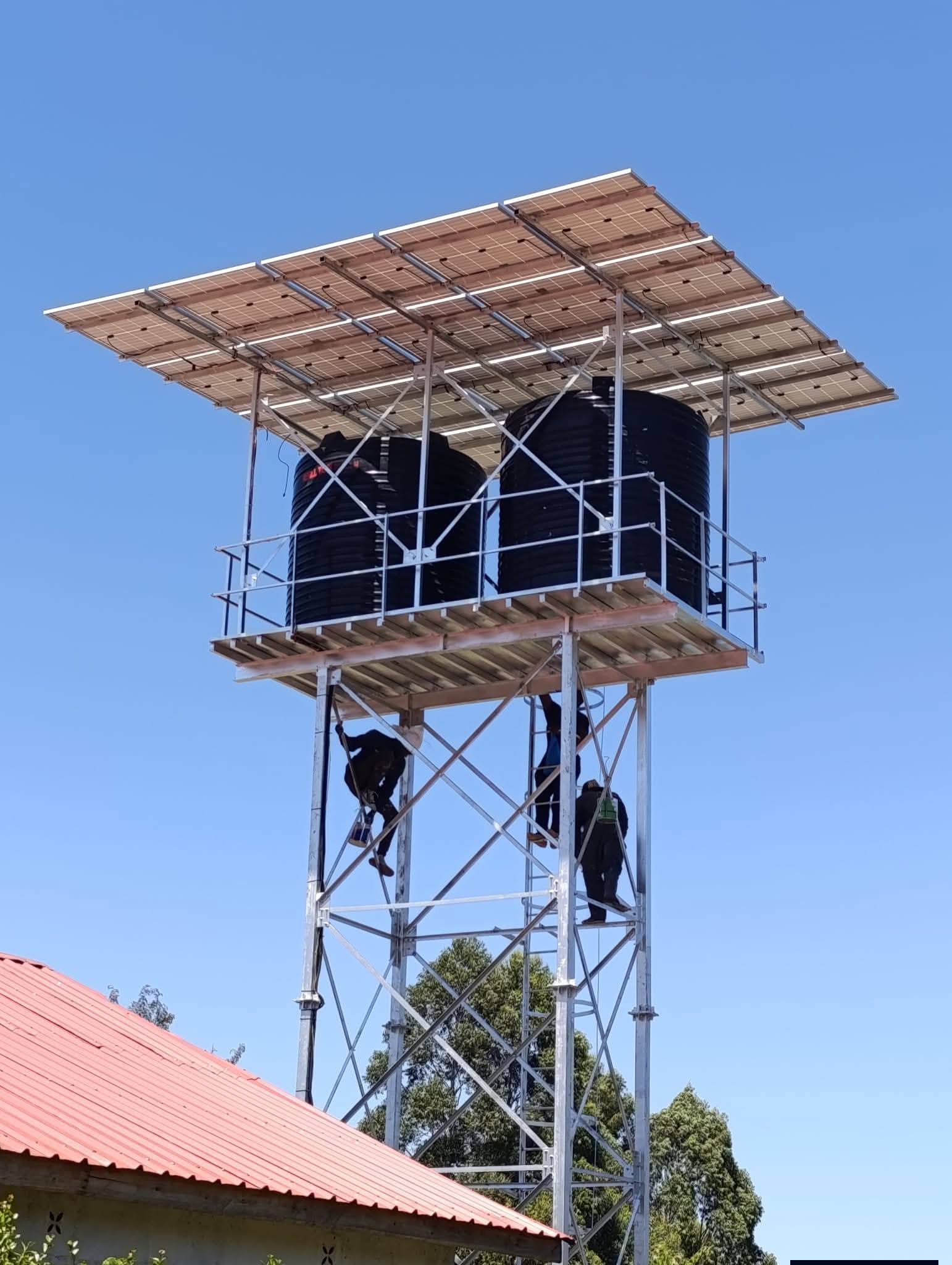
Good Test Data Helps Prevent Guesswork at the Pump-Installation Stage.
The tested borehole yield, pumping water level and recovery behaviour are considered together with the property's water demand, delivery height and storage requirements when planning the permanent pumping system.
Tested Borehole Yield
Helps indicate how much water can be abstracted under the conditions observed during the pumping test.
Pumping Water Level
Helps establish the operating depth conditions that need to be considered when choosing the submersible pump.
Property Water Demand
The required supply for a home, farm, institution or commercial property is considered alongside the tested borehole performance.
Delivery & Storage Requirements
Pump planning also considers where the water needs to be delivered, the elevation involved and the storage system it will supply.
Test pumping is not simply the end of drilling — it provides the information needed for the next engineering decision.
What Do You Learn From a Borehole Pumping Test?
Test pumping converts hours of controlled pumping and water-level monitoring into information that can support practical decisions about the borehole. The results help establish yield, water-level response, recovery and suitable operating conditions before the permanent pumping system is planned.
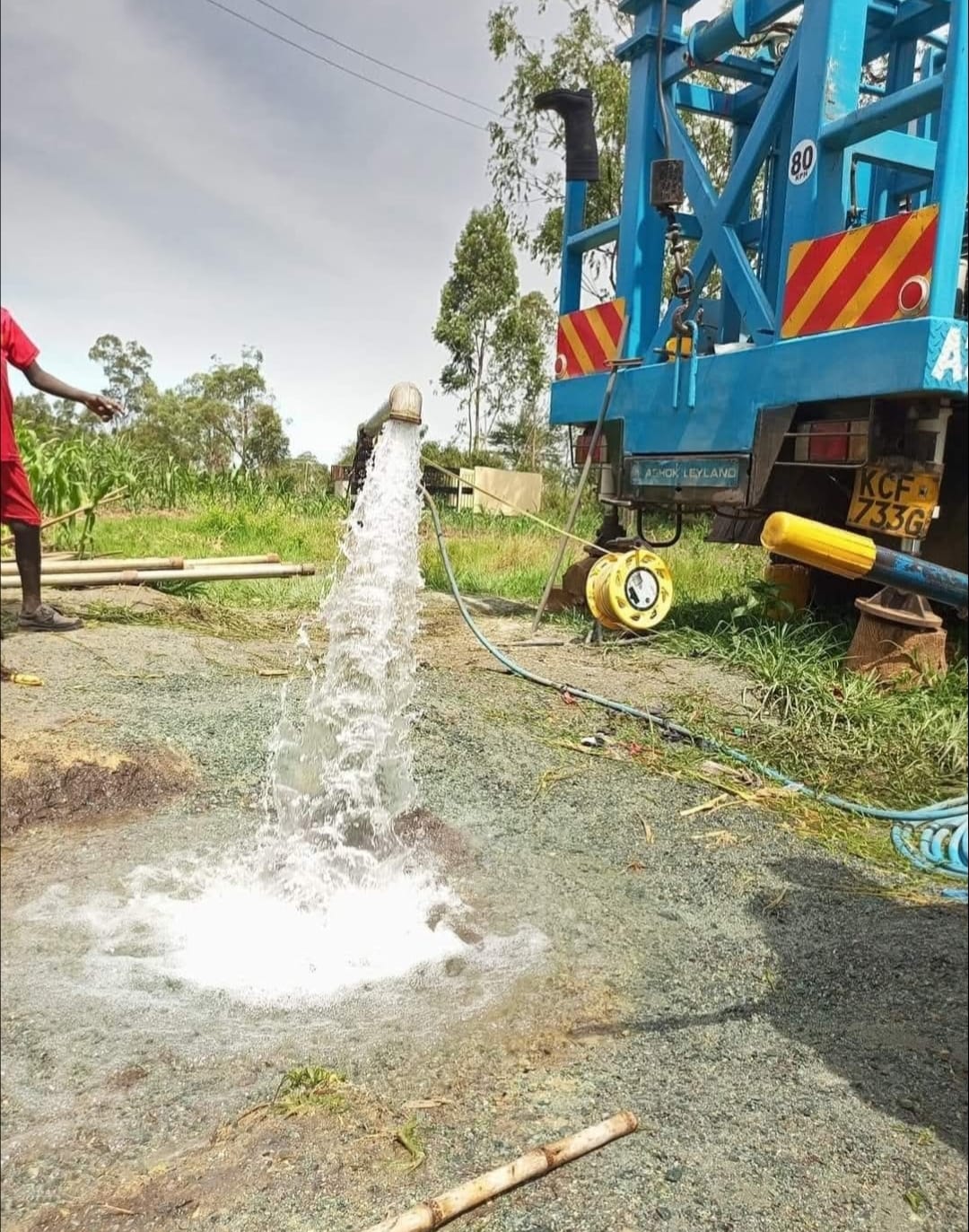
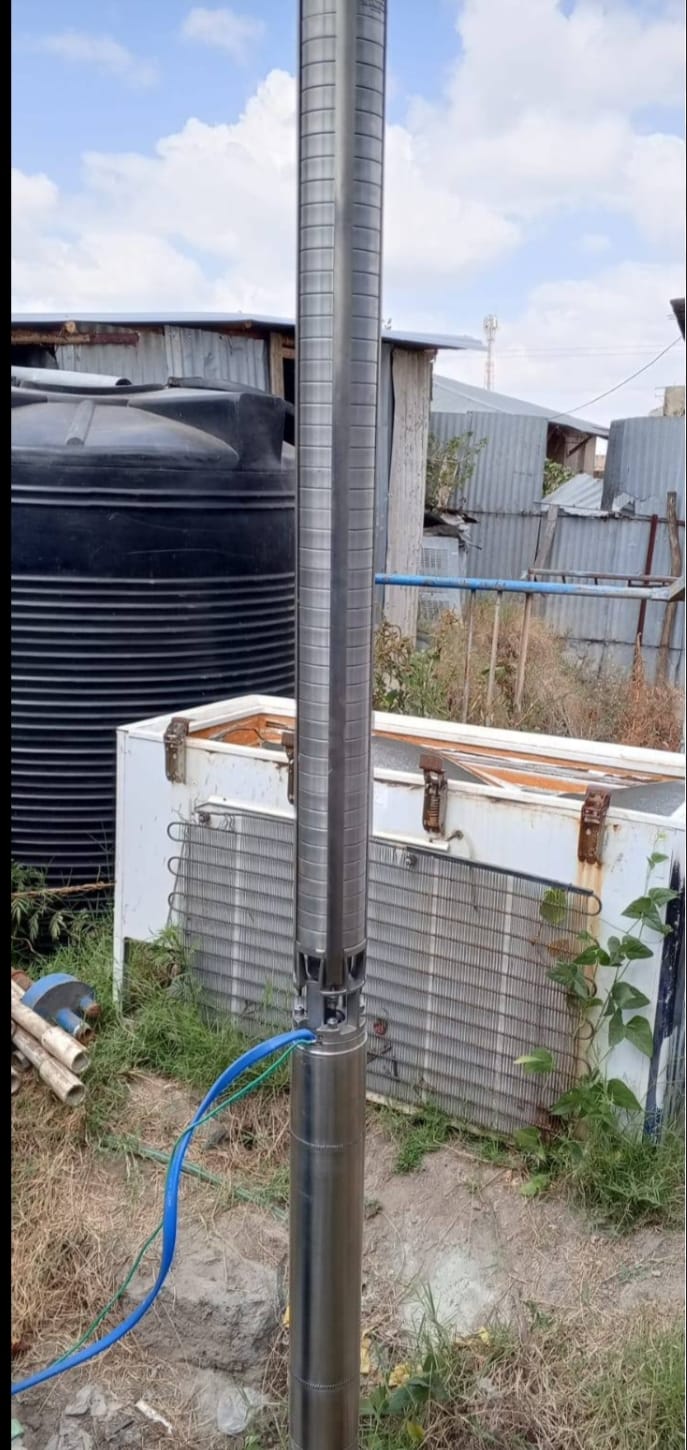
The Key Information Produced by Test Pumping
Tested Discharge / Yield
The observed pumping rate provides an indication of how much water the borehole delivered under the conditions maintained during the test.
Static Water Level
The water level before sustained pumping provides the baseline from which subsequent water-level changes can be compared.
Pumping Water Level
Measurements taken while pumping show the operating water level reached under the tested discharge conditions.
Drawdown Observations
Comparing the static and pumping water levels shows how far the groundwater level declined while water was being continuously abstracted.
Recovery Behaviour
Water-level measurements after pumping stops show how the borehole responds as groundwater moves back toward its pre-pumping level.
Pump Planning Information
The test findings can be considered together with water demand, pumping depth and delivery requirements when selecting the permanent borehole pump and planning its operating conditions.
Read the Test. Understand the Borehole. Plan What Comes Next.
A borehole pumping test produces practical information about how the borehole behaves under controlled abstraction. Waterline Drillers looks at yield, water levels, drawdown and recovery so the findings can support decisions about the permanent pumping system.
Four Measurements Help Tell the Story.
A discharge rate alone does not give the complete picture. Water levels before, during and after pumping help explain how the borehole responds to abstraction.
Static Water Level
The water level measured before sustained pumping begins. It provides a reference point for comparing subsequent water-level changes.
Pumping Water Level
The water level recorded while the borehole is operating at the monitored test discharge.
Drawdown
The difference between the pre-pumping water level and the lower water level observed during pumping.
Tested Yield
The discharge maintained during the test provides information about the borehole's performance under the observed conditions.
What Do You Take Away From the Test?
Once pumping and recovery monitoring are complete, the measurements provide useful information for evaluating borehole performance and planning the next stage of the water system.
Recovery Behaviour
Monitoring the water level after pumping stops shows how the borehole responds as groundwater moves back toward the pre-pumping level.
Borehole Performance Information
Yield, drawdown and recovery observations together provide a clearer understanding of how the borehole performed during testing.
Pump Planning Information
The findings can be considered alongside water demand, pumping depth, delivery head and storage requirements when selecting the permanent submersible pump.
Operating Considerations
Understanding the tested borehole response can help guide how the pumping system is planned and operated for the intended water use.
The goal is not simply to confirm that water comes out of the borehole. It is to understand how that borehole performs while the water is being used.
Questions to Ask Before You Rely on a Borehole.
Test pumping helps answer questions that drilling alone cannot. These answers explain borehole yield, test duration, drawdown, recovery, pump sizing and performance testing before the permanent water system is installed.
Borehole test pumping is a controlled pumping exercise used to assess how a completed borehole behaves while water is being abstracted. The test can provide information about discharge, water levels, drawdown and recovery.
Drilling creates the borehole, but it does not by itself establish how the borehole will respond during sustained pumping. Test pumping provides performance information that can support decisions about the permanent pumping system.
The required pumping period depends on the testing objective and project requirements. Extended borehole pumping tests may run for around 24 hours, followed by monitoring of the water-level recovery after pumping stops.
Borehole yield refers to the rate at which water is discharged from the borehole under the conditions maintained during testing. It is considered together with water-level response when assessing borehole performance.
Drawdown is the difference between the water level before pumping and the lower water level observed while pumping is taking place. Monitoring drawdown helps show how the borehole responds to continued abstraction.
Recovery is the rise in groundwater level after pumping has stopped. Monitoring recovery provides additional information about how the borehole and surrounding groundwater system respond after sustained abstraction.
Yes. Pumping-test results such as tested yield and pumping water level can be considered together with water demand, pumping depth, delivery head and storage requirements when selecting a permanent submersible pump.
Yes. An existing borehole can be assessed through controlled pumping when updated information about its current performance is needed, subject to the condition and accessibility of the borehole and the testing requirements.
A lower tested yield means the pumping system and intended water use should be planned around the borehole's observed performance. Appropriate pump selection, storage and pumping schedules may become especially important.
Yes. Waterline Drillers is based in Nairobi and provides borehole and water solutions for projects in different parts of Kenya. Project location, accessibility and mobilisation requirements are considered when planning test pumping work.
Measure the Borehole Before Choosing the Permanent System.
Test pumping provides useful information about how the borehole responds under sustained water abstraction and helps support the decisions that follow.
Once the borehole performance has been assessed, Waterline can also support the next stages including submersible pump installation, solarization and water storage solutions.
Know What Your Borehole Can Deliver.
Before selecting the permanent pump, understand how your borehole performs. Contact Waterline Drillers for professional borehole test pumping, yield assessment and water-level monitoring in Nairobi and across Kenya.