What Determines the Right Steel Water Tank?
A properly planned steel water storage tank starts with the amount of water that needs to be stored, where the tank will be installed and how water will enter and leave the system. The tank should be fabricated around the project's actual storage and distribution requirements.
Required Storage Capacity
The first question is how much water the property needs to store. Homes, farms, institutions and commercial operations can have very different daily water requirements.
Intended Water Use
Storage requirements should reflect how the water will actually be used, whether for domestic supply, livestock, irrigation, institutional use, commercial operations or general property needs.
Tank Dimensions
The required capacity must be translated into practical tank dimensions that fit the available installation area while meeting the project's water-storage requirements.
Installation Location
Available space, accessibility, ground conditions, proximity to the borehole and the position of the distribution network influence where the tank should be installed.
Inlet & Outlet Connections
The tank needs practical connection points for incoming borehole water, outgoing distribution and any other pipework required by the complete water-storage system.
Water-System Integration
A steel tank should work with the borehole pump, solar or electrical pumping arrangement, pipework, water tower where applicable and the final distribution points.
The largest tank is not automatically the right tank. Useful storage capacity should match the property's water demand, available space and the way the complete water system operates.
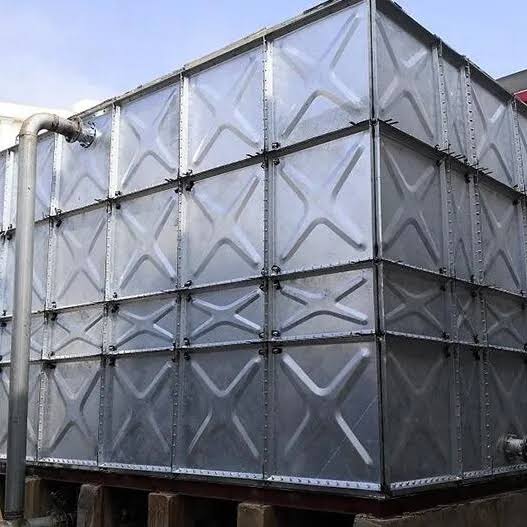
The required water volume must be translated into practical tank dimensions, installation space and connection points before fabrication begins.
Establish how much water the property needs to store and how that water will be used.
Determine the proposed installation location and the practical dimensions available for the tank.
Consider the incoming borehole supply, outgoing distribution and required pipework.
Receives water from the borehole pump or other water-supply arrangement.
Sends stored water toward the property's distribution network.
How Are Large Steel Water Tanks Fabricated?
Fabricating a custom steel water storage tank in Kenya involves turning the required storage capacity and tank dimensions into prepared steel sections, joined tank components, water connections and a completed storage structure ready for integration with the wider water system.
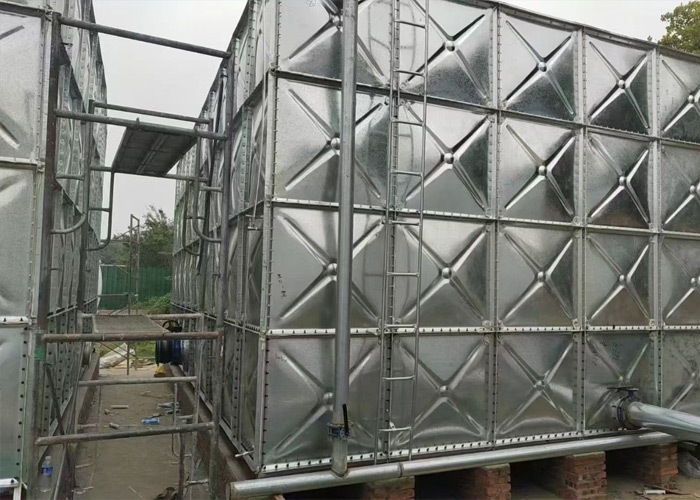
Steel components are prepared, positioned and joined according to the required tank dimensions, storage capacity and water-system connections.
The completed tank becomes part of the property's borehole, pumping, storage and water-distribution system.
Capacity should guide fabrication. Tank dimensions, steel preparation and connection positions should follow the actual storage requirement rather than using one standard tank for every project.
Confirm Tank Requirements
The process begins by establishing the required storage capacity, intended water use, available installation space and the connections needed for the complete water system.
Prepare Steel Components
Steel sections and plates are measured and prepared according to the selected tank dimensions and fabrication arrangement.
Form the Tank Structure
Prepared steel sections are positioned to create the tank walls and principal storage structure according to the planned configuration.
Join & Weld the Sections
Individual steel sections are joined into the continuous tank structure required to contain and store water.
Add Inlets & Outlets
Required connection points are incorporated for incoming borehole water, outgoing distribution pipework and other project-specific water-system requirements.
Install & Integrate
The fabricated tank is positioned for its intended application and integrated with the borehole pump, pipework, storage arrangement and final water distribution system.
The objective is a custom fabricated steel water tank built around the project's required storage capacity and water system, not simply a large steel container.
From the first steel component to the final water connections, the fabrication should follow the storage requirements of the actual project.
Large-Capacity Water Storage for Farms, Institutions & Borehole Systems.
Steel water tanks in Kenya can provide practical large-capacity storage where a property needs to hold borehole water for domestic, agricultural, institutional, commercial or shared water-supply use.
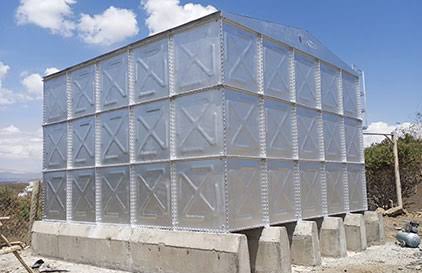
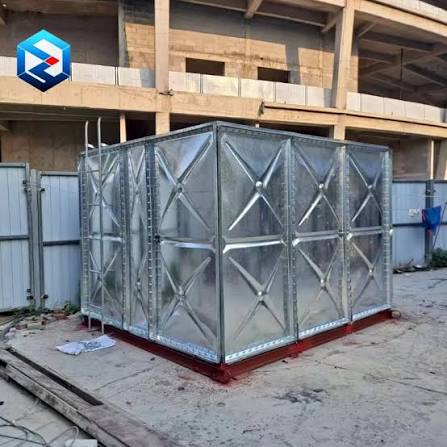
A properly sized tank can form part of a wider borehole pumping and distribution arrangement.
The required capacity depends on how much water the property uses, how frequently water is pumped and how the stored water is distributed.
Farms & Agriculture
Farms can require significant stored water for irrigation, livestock, washing and other agricultural uses. A steel tank can be planned around the farm's daily demand and pumping arrangement.
Schools & Institutions
Institutions may need reliable storage serving multiple buildings, sanitation facilities, kitchens and general daily operations. Larger storage capacity can help support those combined requirements.
Borehole Water Systems
A steel storage tank can receive water from a borehole pump and hold it before distribution, helping separate the pumping stage from the property's immediate water use.
Commercial Properties
Businesses, workshops and commercial facilities may require stored water for cleaning, sanitation, production support or general property operations.
Residential Developments
Where several homes or buildings share a borehole or central storage arrangement, a larger steel tank can provide centralized water storage before distribution to individual users.
Community Water Supply
Shared water projects can use larger-capacity steel tanks as part of a centralized borehole, storage and distribution system serving multiple water points.
Tank size should follow actual consumption and water-system design. A farm, school or commercial property may need a very different storage capacity even when each property is supplied by a borehole.
What Determines the Cost of a Fabricated Steel Water Tank?
The cost of a custom steel water tank in Kenya depends on the required storage capacity, tank dimensions, steel and fabrication requirements, installation location, connection points and the scope of work needed to integrate the tank with the complete water system.
Storage Capacity
The required volume of stored water directly influences the overall dimensions of the tank and the amount of steel and fabrication work involved.
Tank Dimensions
Two tanks designed for different installation spaces may require different height, width or overall configurations even when they serve similar water-storage needs.
Steel Requirements
The quantity and specification of steel required for the tank structure form an important part of the final fabrication scope.
Fabrication Complexity
Tank shape, dimensions, connection points and project-specific fabrication requirements can affect the amount of preparation, joining and assembly work required.
Inlets & Outlets
The number and positioning of water connections depend on how the tank will receive water and how stored water will leave for distribution.
Installation Location
Project location, available working space, accessibility and site conditions can influence transport, mobilisation and installation work.
Transport & Mobilisation
Moving steel, fabricated components, equipment and personnel to the installation location forms part of the overall project scope.
Water-System Integration
Connecting the tank to borehole pumps, incoming pipework, outlets or a wider distribution system may add components and installation requirements to the project.
A useful steel tank quotation should be based on the actual project requirements. Capacity, dimensions, installation location and connections should be established before the final fabrication price is prepared.
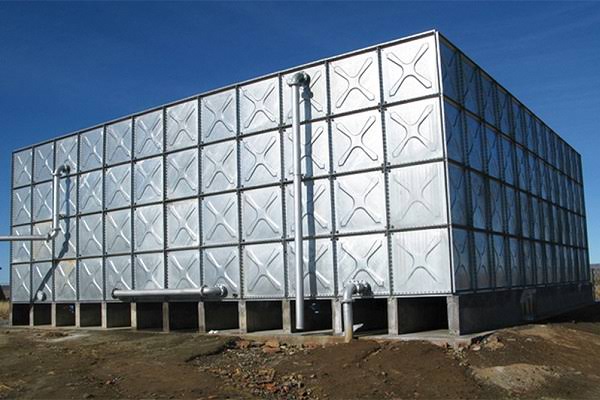
The quotation should reflect the required storage capacity, tank dimensions and installation conditions rather than using one fixed price for every project.
How much water needs to be stored?
Where will the tank be fabricated or installed?
Helps establish practical tank dimensions.
Farm, institution, borehole system, commercial site or another application.
Incoming supply and outgoing water distribution points.
For an accurate steel tank quotation, start with the required storage capacity, project location and intended water use.
Questions to Ask Before Fabricating a Steel Water Tank.
Choosing a custom steel water tank in Kenya starts with understanding how much water needs to be stored, where the tank will be installed and how it will connect to the borehole, pump and distribution system.
The appropriate tank capacity depends on your daily water demand, intended use, pumping arrangement, available installation space and how much stored water you want available between pumping periods.
Yes. Tank dimensions can be planned around the required storage capacity, available installation area, intended water use and the connection requirements of the complete water system.
Yes. A fabricated steel tank can form part of a borehole water system by receiving pumped water before it is distributed to homes, farms, institutions, commercial properties or other water-use points.
Cost depends on factors including storage capacity, tank dimensions, steel requirements, fabrication scope, inlet and outlet connections, project location, transport and installation conditions.
Yes. Farms can use larger-capacity steel water tanks to store water for livestock, irrigation, washing, domestic requirements and other agricultural uses.
Yes. Schools, institutions and similar facilities can use large-capacity tanks where substantial water storage is required for multiple buildings, sanitation, kitchens and general daily operations.
Yes. A steel storage tank can receive water from a solar-powered borehole pump. Water can be pumped during productive solar hours and stored for use according to the property's distribution needs.
The installation location should consider available space, site access, ground conditions, proximity to the water source and how the tank will connect to the property's distribution pipework.
Yes. Waterline Drillers is based in Nairobi and handles water-system projects in different parts of Kenya. Project location, transport and mobilisation can be considered when preparing the fabrication scope.
Yes. Waterline Drillers provides hydrogeological surveys, borehole drilling, test pumping, pump installation, solarization, water towers and steel water storage solutions as part of complete water projects.
Need More Water Storage for Your Property?
Tell Waterline Drillers your required storage capacity, project location, available space and intended water use. We can assess the fabrication requirements for a steel tank designed around your water-storage system.